How to Get All A's in High School: A Realistic Guide for Students
Getting all A's in high school isn't about being a genius. It's about showing up every day with a plan, sticking to it, and learning how to study smarter-not harder. Many students think top grades come from pulling all-nighters or memorizing everything. That’s not true. The students who consistently earn A's know how to manage their time, ask the right questions, and turn small habits into big results.
Start with your schedule, not your textbooks
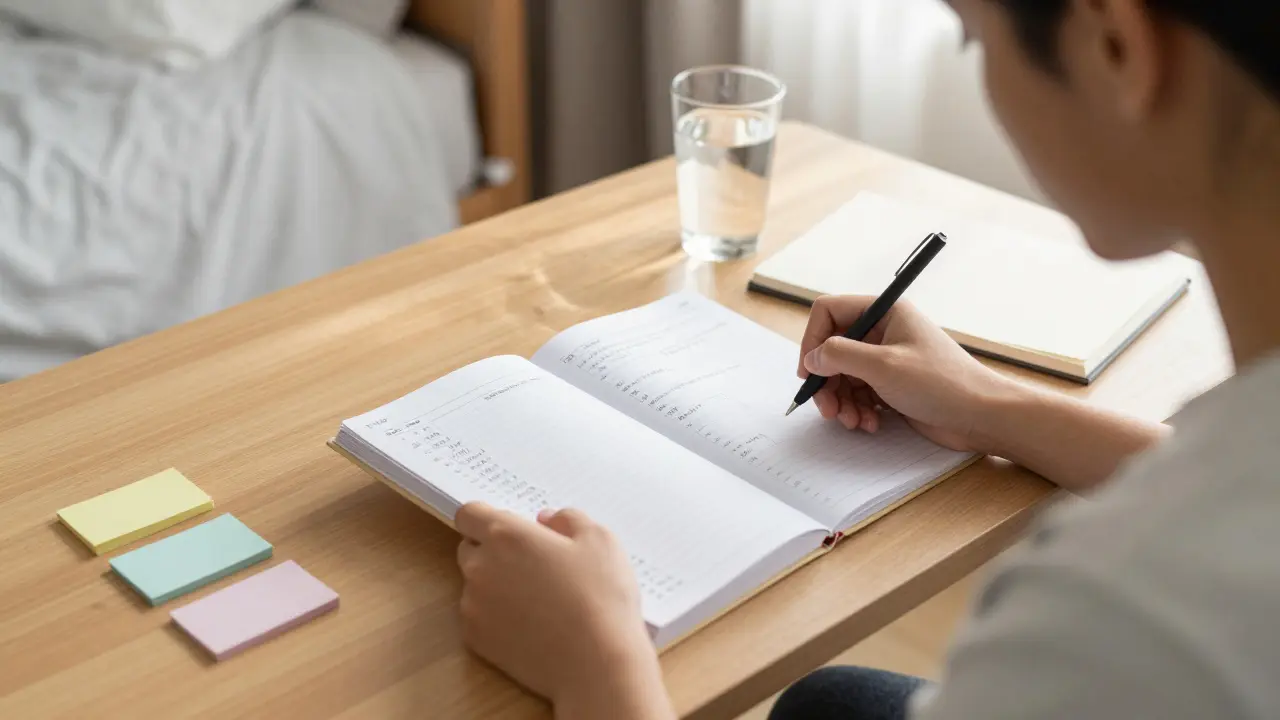
The biggest mistake students make? Waiting until the night before a test to start studying. If you’re trying to cram 3 weeks of material into one night, you’re already behind. The secret isn’t how much you study-it’s how consistently you review. Set aside 20 to 30 minutes every evening, even on days with no homework. Use that time to go over one class’s notes. Don’t rewrite them. Don’t highlight. Just look at them and ask yourself: Do I really get this? If not, write down one question to ask your teacher tomorrow.Use a physical planner. Not an app. Not your phone. A paper planner you carry in your backpack. Write down every assignment, test, and project the day it’s given. Then, break big projects into weekly steps. For example, if your history paper is due in 4 weeks, map out: Week 1-research, Week 2-outline, Week 3-draft, Week 4-revise. This stops you from panicking when deadlines sneak up.
Classroom behavior matters more than you think
Your grade isn’t just about tests. It’s about participation, effort, and how your teacher sees you. Show up on time. Sit in the front. Put your phone away. Take real notes-not just copy what’s on the slide. Write down what the teacher says when they’re not reading from the textbook. Those are the clues they give about what’s going to be on the test.Ask questions. Not the kind like, “Can you repeat that?” but the kind like, “I get how this formula works, but why does it only apply here?” Teachers notice students who think deeply. They’ll often give you extra credit, point you to helpful resources, or even tip you off about what’s coming up on the next quiz.
And don’t be afraid to talk to your teachers after class. Five minutes after school to clarify one confusing point can save you hours of stress later. Most teachers want you to succeed. They just need you to show you’re trying.

Study like a pro-not like a zombie
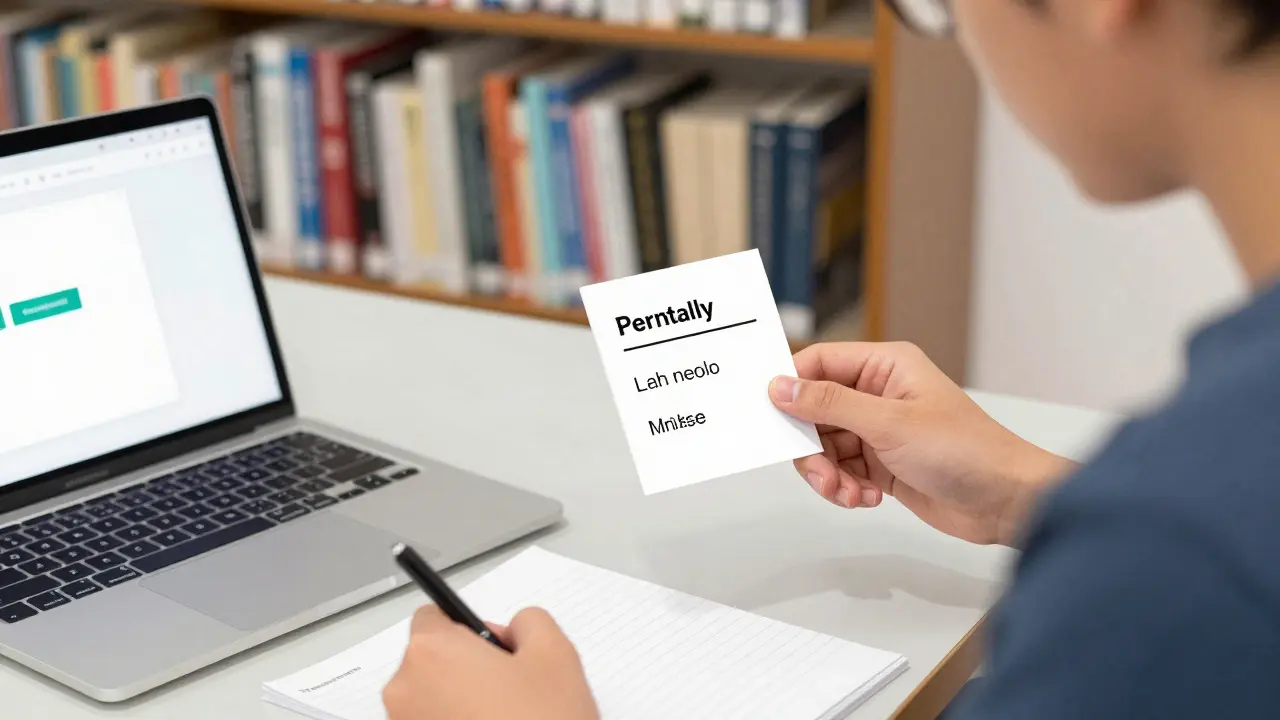
Active recall is the most powerful study method you’ve never heard of. Instead of rereading your notes, close them. Try to write down everything you remember from memory. Then check. Repeat. This forces your brain to retrieve information instead of just recognizing it. Flashcards work great for this. Use index cards or apps like Anki, but don’t just flip them. Say the answer out loud before you look.Spaced repetition is the other half. Don’t study something once and forget it. Review it again in 2 days, then 5 days, then 10. This is how your brain learns to keep information long-term. You don’t need to study for hours. Just 10 minutes a day, spread out over time, beats 3 hours the night before.
And skip group study unless you’re with people who are just as serious as you. Too often, study groups turn into social hours. If you’re going to study with others, set a rule: no talking unless it’s about the material. And always end with a quiz-have someone ask you questions.
Master the art of the assignment
Every assignment is a chance to earn an A. Not just the grade, but the feedback. When you get a paper or project back, read every comment-even the small ones. If your teacher says “needs more detail,” next time, add one extra example. If they say “weak conclusion,” look up how other students structured theirs. Ask your teacher for an example of an A paper. Most will share one if you ask respectfully.Also, never turn in the first draft. Always revise. Even if it’s due tomorrow. Read it out loud. Does it sound natural? Are there places where you stumble? Those are the spots that need fixing. Use free tools like Grammarly or Hemingway to catch basic errors, but don’t rely on them. Your voice matters more than perfect grammar.
Manage your energy, not just your time
You can’t study well if you’re exhausted, stressed, or hungry. Sleep isn’t optional. Teens need 8 to 9 hours. If you’re regularly pulling 5 or 6, you’re sabotaging your memory and focus. Set a bedtime. Turn off screens an hour before. Read a book instead.Eat real food. Not just energy bars or soda. Your brain runs on glucose. Protein, veggies, and whole grains help you think clearly. Skip the sugar crashes. Stay hydrated. Even mild dehydration makes you feel foggy.
Move your body. You don’t need to be an athlete. A 20-minute walk after school, some stretching, or even dancing to one song while you get ready in the morning can reset your brain. Exercise boosts focus, reduces anxiety, and helps you sleep better. All of that leads to better grades.
Don’t chase perfection-chase progress
No one gets all A’s every semester. Sometimes you’ll get a B. That doesn’t mean you failed. It means you learned something. If you’re stressing over every single point lost, you’re setting yourself up for burnout. Focus on improvement, not perfection.Track your progress. At the end of each month, ask yourself: Did I turn in every assignment? Did I ask at least one question in each class? Did I review my notes daily? If the answer is yes, you’re doing better than 80% of students.
And remember: grades aren’t the whole story. The skills you’re building-time management, self-discipline, asking for help-are what will carry you into college and beyond. If you learn how to study now, you won’t need tricks. You’ll just know how to do it.
Can I get all A's if I'm not naturally smart?
Absolutely. Intelligence isn’t fixed. What matters is consistency. Students who get straight A’s aren’t the ones who understand everything instantly-they’re the ones who show up every day, review their notes, ask questions, and revise their work. These are habits, not talents.
How many hours should I study each night?
There’s no magic number. Instead of aiming for hours, aim for focus. Twenty to thirty minutes of active review-closing your notes and testing yourself-is more effective than two hours of rereading. Quality beats quantity every time. If you have a big test coming up, add an extra session, but don’t burn out. Rest matters just as much as studying.
Should I join study groups?
Only if the group is focused. Many study groups turn into hangout sessions. If you join one, set clear rules: no phones, no off-topic talk, and end with a quiz. Better yet, find one or two classmates who are serious and study with them one-on-one. It’s easier to stay on track with just one person.
What if I get a B on a test? Does that ruin my chances?
Not at all. One B doesn’t define your record. What matters is how you respond. Did you learn why you missed those questions? Did you talk to your teacher? Did you adjust your study method? If you use a B as feedback, not failure, you’ll come back stronger. Top students get B’s too-they just don’t let them stop them.
Is it worth staying up late to finish homework?
No. Sacrificing sleep hurts your memory, focus, and mood the next day. It’s better to finish what you can, mark what’s left, and finish it tomorrow after school. Consistent, well-rested effort beats last-minute cramming every time. Your brain needs sleep to lock in what you learned.
Indi s
February 12, 2026 AT 00:11My grades went from B’s to A’s without changing how hard I worked. Just how I worked.
Rohit Sen
February 12, 2026 AT 19:45Vimal Kumar
February 13, 2026 AT 09:21Amit Umarani
February 13, 2026 AT 17:53Noel Dhiraj
February 13, 2026 AT 19:08vidhi patel
February 14, 2026 AT 17:40Priti Yadav
February 16, 2026 AT 05:58Ajit Kumar
February 17, 2026 AT 02:04Diwakar Pandey
February 18, 2026 AT 14:54Geet Ramchandani
February 20, 2026 AT 06:26Pooja Kalra
February 20, 2026 AT 19:59Sumit SM
February 21, 2026 AT 03:35