School Culture: What It Really Means for High School Students
When we talk about school culture, the shared values, behaviors, and attitudes that define daily life in a high school. It’s not just posters on the wall or slogans in the handbook—it’s whether a kid feels safe asking for help, whether someone who’s different feels like they belong, and whether teachers notice when a student stops showing up. This is the invisible force that either lifts students up or wears them down, day after day.
Student belonging, the feeling that you matter and are accepted for who you are, is at the heart of healthy school culture. Schools that get this right don’t just have better attendance—they have students who show up for each other. They’re the ones where a kid struggling in math gets pulled aside by a peer tutor, not punished for a bad grade. Where the quiet kid who loves art isn’t overlooked because they don’t play sports. Where diversity isn’t just a buzzword but a lived reality, because staff actually listen and change things based on student feedback.
And it’s not magic. Real inclusive schools, environments built with intention to welcome every student regardless of background, identity, or ability, come from small, repeated actions: teachers using guided notes so everyone can follow along, counselors checking in on kids who seem withdrawn, principals letting students lead climate projects instead of just talking about them. These aren’t big budget items—they’re choices. Choices that say, "You’re not a number here. You’re part of this."
On the flip side, when school culture is toxic, it shows in the silence. Kids who skip study hall because they’re embarrassed to be seen alone. Students who hide their backpacks to avoid being targeted. Teens who stop raising their hands because they’ve learned it’s safer to stay quiet. This isn’t about bad people—it’s about systems that never asked, "What does this feel like for them?"
What you’ll find here isn’t theory. It’s real stories from high schools where culture made the difference. From how clear backpacks affect privacy and trust, to how student government turns apathy into action, to why some schools finally started listening to what teens actually need. These posts don’t just describe problems—they show what works when schools get serious about the human side of education.
- Oct, 21 2025
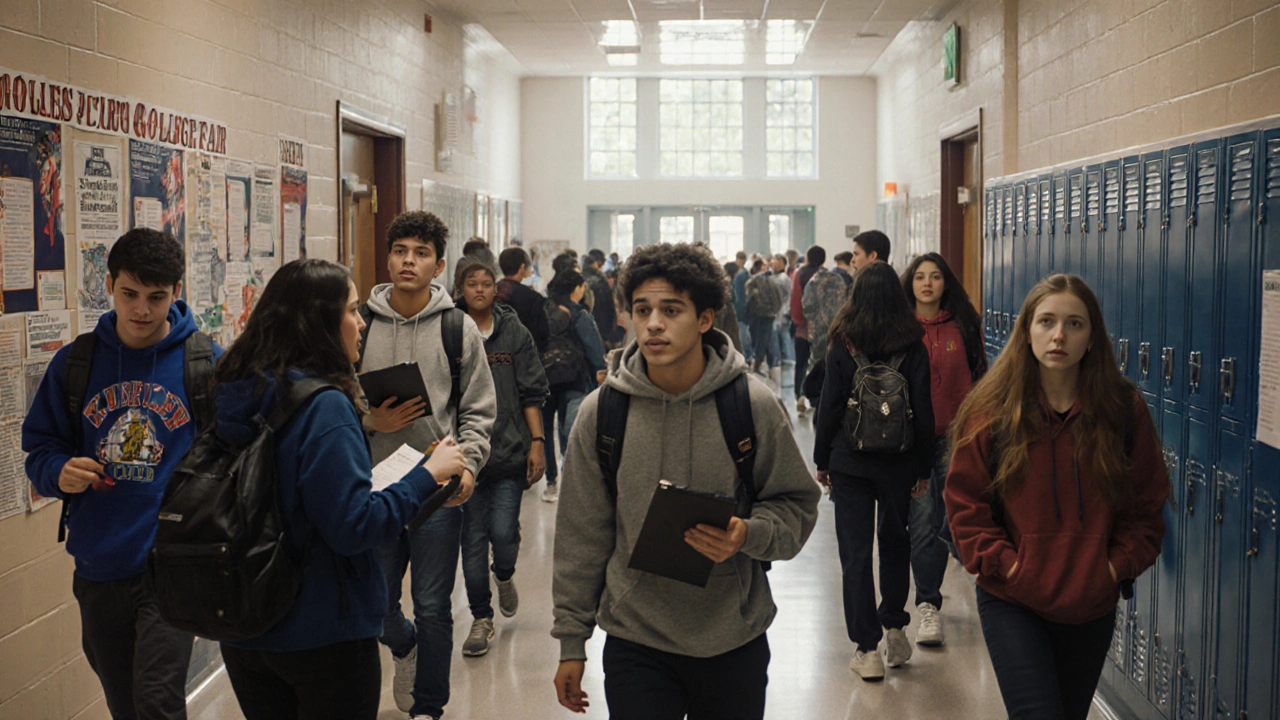
High schools today are more than just classrooms - they’re communities where students find their voice, build real skills, and prepare for life beyond graduation. This inside look reveals what actually happens behind the bell schedule.
- Read More