Tech Skills for High School Students: What Matters and How to Build Them
When we talk about tech skills, practical abilities used to operate digital tools and solve problems with technology. Also known as digital literacy, it's no longer optional for high school students—it’s the new baseline for getting ahead. Whether you're applying to college, looking for a summer job, or just trying to keep up in class, knowing how to use technology effectively makes a real difference. It’s not about knowing every app or having the latest phone. It’s about understanding how to learn new tools, organize your work, and communicate clearly online.
Many students think tech skills mean coding, but that’s only one piece. digital literacy, the ability to find, evaluate, and use digital information responsibly is just as important. That includes knowing how to spot fake news, protect your privacy, and use Google Docs or Notion to manage assignments. Then there’s career readiness, the set of skills that prepare students for the workforce, including tech proficiency. Employers don’t just want people who can code—they want people who can present data in Excel, run a Zoom meeting, troubleshoot a printer, or build a simple website. These are the things that show you’re reliable and adaptable.
And here’s the truth: you don’t need a fancy course or a $1,000 laptop to start. Most high schools offer free access to computers, Google Classroom, or basic coding platforms. You can learn to format a report, create a slideshow that actually looks professional, or use formulas in spreadsheets—all in your free time. The students who get ahead aren’t the ones with the most programming experience. They’re the ones who know how to use what’s already available to get things done efficiently.
Some of the posts below show how tech skills show up in unexpected places—like how students use spreadsheets to track climate data for school projects, or how guided notes help with note-taking on laptops. Others reveal what’s actually in students’ backpacks: laptops, chargers, headphones. These aren’t just gadgets. They’re tools for learning, and the ones who master them early have a real edge.
You’ll find real examples here—not theory, not hype. Just what works for high schoolers right now. Whether you’re trying to improve your grades, build a resume, or just feel less lost in class, the advice below is practical, tested, and focused on what actually moves the needle.
- Nov, 25 2025
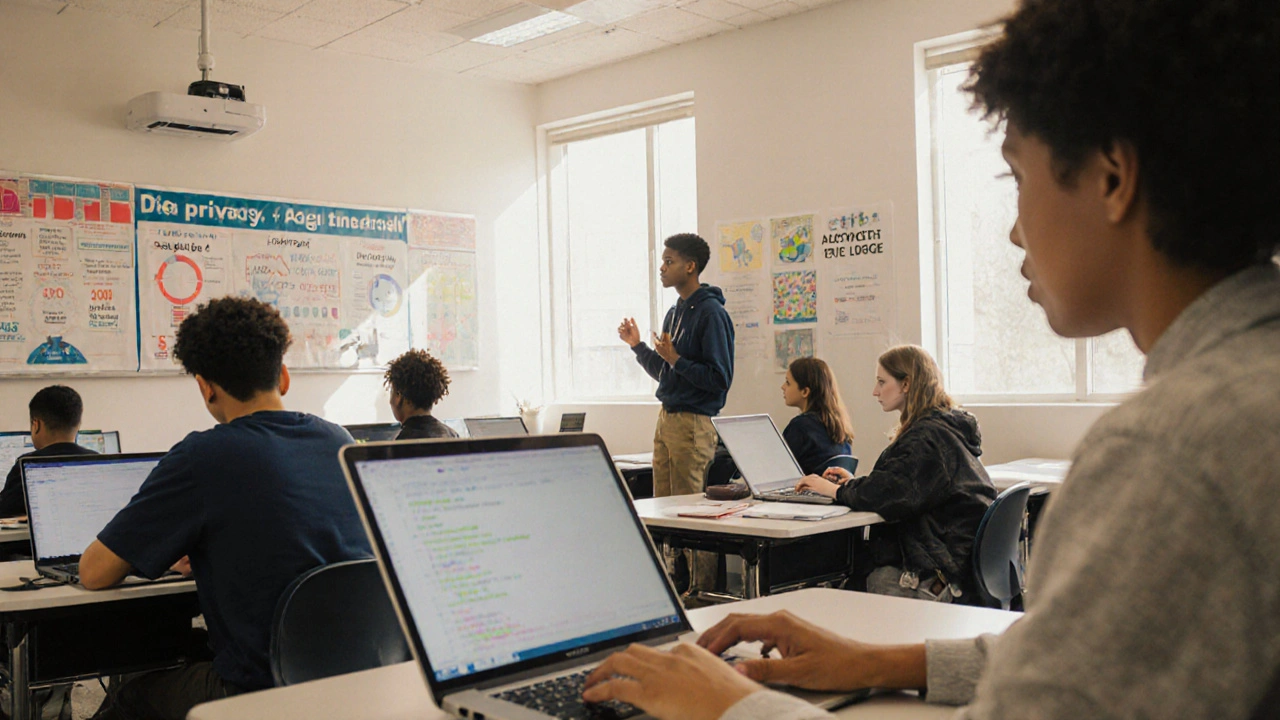
High schools must move beyond basic tech use and teach students how to think with digital tools-coding, AI, data literacy, and ethical tech use-to prepare them for a future where these skills are essential, not optional.
- Read More