What Are Japanese High School Backpacks Called? The Randoseru Explained
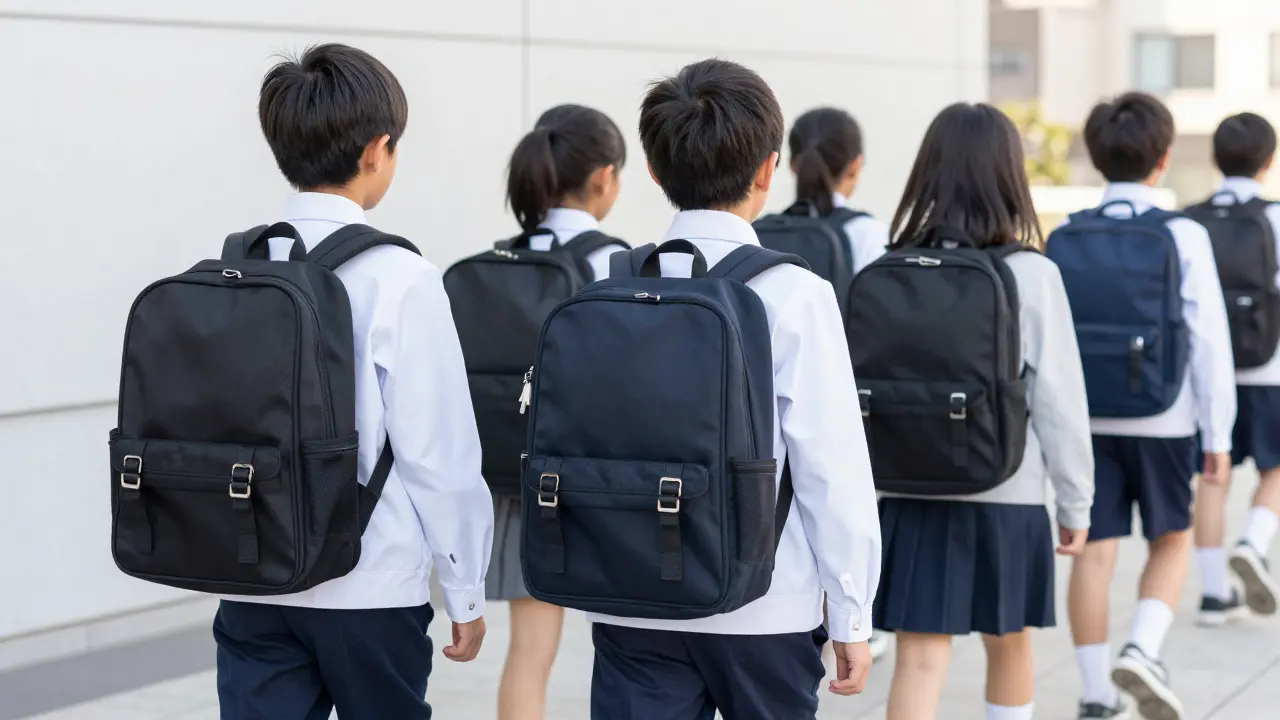
Walk into any elementary or high school in Japan, and you’ll see something striking: nearly every student carries the same black, brown, or navy backpack. It’s rigid, heavy, and has no zippers. It doesn’t look like a typical school bag at all. That’s because it’s not. It’s called a randoseru.
What Is a Randoseru?
The randoseru is a sturdy, rectangular backpack made of leather or synthetic leather, worn by Japanese elementary and high school students. It’s been a staple since the Meiji era, around the 1880s, when it was adopted from German military packs. Unlike Western backpacks, the randoseru doesn’t have adjustable straps or multiple compartments. It’s designed to last through all six years of elementary school - and many students carry the same one into high school.
Why does it look so stiff? Because it’s meant to be. The rigid structure keeps the bag’s shape even when packed full of textbooks, notebooks, and lunchboxes. The front and back panels are reinforced with thick padding to protect the spine. The straps are wide and padded, distributing weight evenly across the shoulders - a design choice rooted in Japan’s focus on child health.
Why Do Japanese Students Use Randoseru?
It’s not just tradition. There’s a whole system behind it. In Japan, schools have strict rules about what students carry. Uniforms are mandatory, and so is the randoseru. It’s not optional. Schools often specify exact colors - black for boys, navy or brown for girls - and sometimes even the brand. Some families spend months researching which manufacturer to buy from.
There’s also a cultural expectation. The randoseru symbolizes responsibility and discipline. Parents often gift it to children on their first day of elementary school as a rite of passage. It’s expensive - prices range from $150 to $400 - but families see it as an investment. Many randoseru last decades. Some are passed down to younger siblings. Others are kept as heirlooms.
Unlike American backpacks that get tossed on the floor or slung over one shoulder, the randoseru is worn properly - both straps on, back straight. Teachers and parents reinforce this. It’s not just about carrying books; it’s about posture, discipline, and pride.
How Is It Different From Western Backpacks?
Compare a randoseru to a typical U.S. high school backpack, and the differences jump out:
- Material: Randoseru are made of synthetic leather or cowhide. Western packs use nylon, polyester, or canvas.
- Shape: Randoseru are flat and boxy. Western packs are slouchy and expandable.
- Closure: Randoseru use metal buckles or snap buttons. No zippers. Western packs rely heavily on zippers.
- Weight: A full randoseru can weigh 5-7 kg (11-15 lbs). A typical U.S. backpack weighs 3-5 kg.
- Usage: Randoseru are worn daily, year after year. Western backpacks are often replaced every few years.
There’s also no pocket on the front. No side water bottle holders. No laptop sleeve. Just two main compartments and a small front pocket for pens or small items. That’s intentional. Schools want students to carry only what’s necessary.
Who Makes Randoseru?
Not every company can make a randoseru. Only a handful of Japanese manufacturers have the tradition, certification, and craftsmanship to produce them. The most famous include:
- Nishiyama - Founded in 1923, based in Osaka. Known for durability and classic designs.
- Yamamoto - Specializes in waterproof synthetic leather. Popular for high school models.
- Yanagiya - One of the oldest, dating back to 1887. Offers custom embroidery.
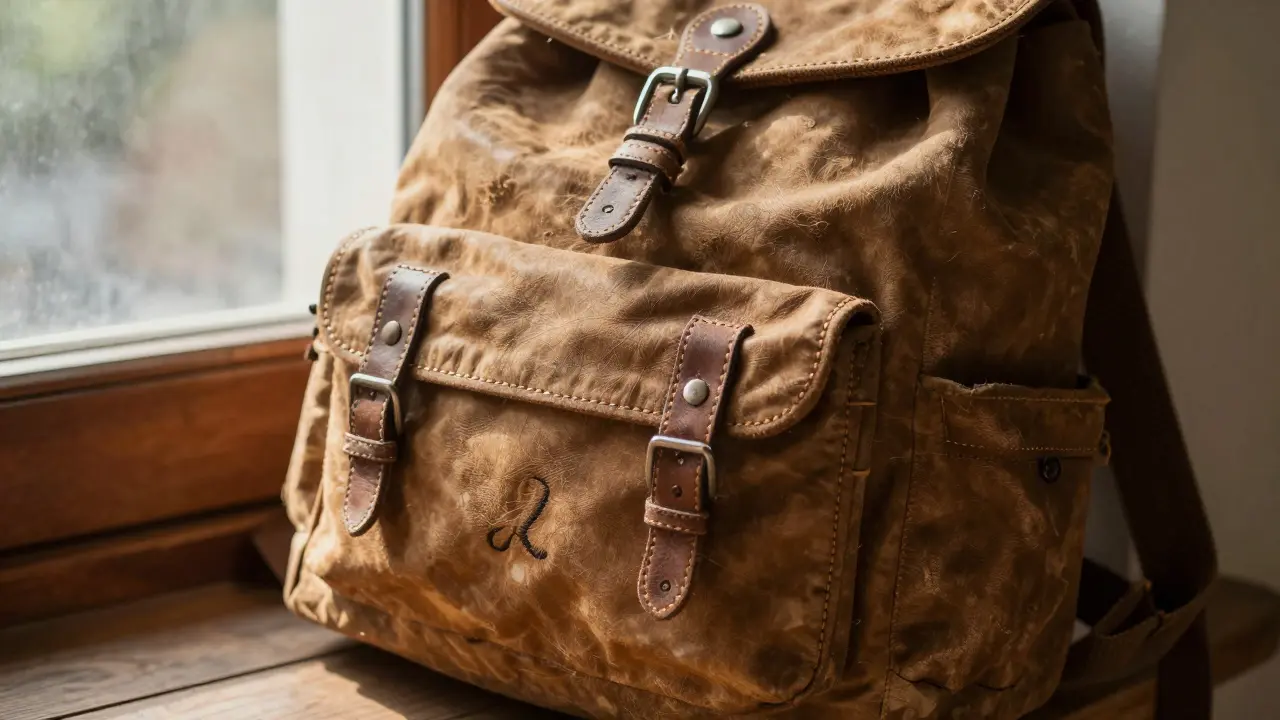
These companies have decades of experience. Each randoseru is stitched by hand. Some take up to 40 hours to assemble. The leather is treated to resist rain, scratches, and fading. That’s why they cost so much - and why they last so long.
Do High School Students Still Use Them?
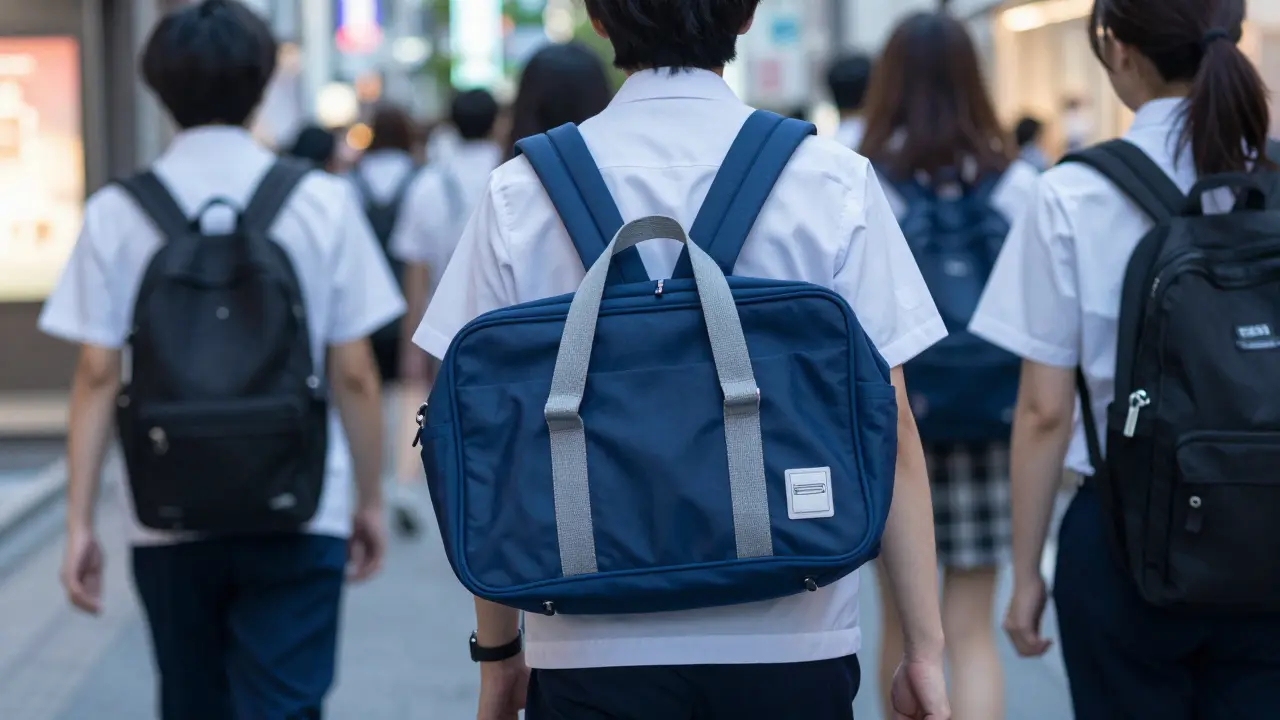
Yes. While elementary schools are the most strict about randoseru use, many high schools continue the tradition. In rural areas and private schools, it’s nearly universal. In big cities like Tokyo or Osaka, you’ll see more variation - some students switch to lighter bags, especially for after-school activities.
But even then, the randoseru remains iconic. It’s common to see high schoolers carrying their elementary randoseru into their teens. It’s not unusual to find a 17-year-old with a 12-year-old backpack. The bag becomes part of their identity.
Some students personalize theirs with small pins or embroidered initials. Others keep them spotless. It’s not about fashion - it’s about legacy.
Why Has It Gained Popularity Outside Japan?
In recent years, randoseru have gone viral online. Parents in the U.S., Canada, and Europe are buying them for their kids - not because schools require it, but because they like the design. The bag’s durability, minimalism, and lack of zippers appeal to people tired of flimsy, overcomplicated backpacks.
Some homeschooling families use randoseru to teach responsibility. Others like how it encourages kids to pack only what they need. You’ll find them on Instagram, TikTok, and Etsy - often labeled as "Japanese school backpacks" or "anti-bullying bags" because their uniform appearance reduces peer pressure over brand names.
But here’s the catch: authentic randoseru are hard to get outside Japan. Many online sellers offer cheap imitations made of thin plastic. They look similar but don’t last. Real ones come with a 10-year warranty. Some manufacturers even offer repair services.
What Should You Look For?
If you’re considering a randoseru for your child - whether for school, homeschool, or just style - here’s what matters:
- Material: Look for synthetic leather (like "pvc-coated polyester") or genuine cowhide. Avoid thin plastic.
- Weight: A full randoseru should weigh 1.2-1.5 kg empty. Anything lighter might not be durable.
- Straps: They should be wide, padded, and adjustable. The back panel should have cushioning.
- Brand: Stick to Nishiyama, Yamamoto, or Yanagiya. Avoid unknown Amazon sellers.
- Color: Black, navy, and brown are traditional. Bright colors are rare and usually custom-made.
And remember - it’s not just a backpack. It’s a symbol of discipline, durability, and cultural heritage.
How to Care for a Randoseru
Since it’s meant to last years, proper care matters:
- Wipe it down with a damp cloth after rainy days.
- Never put it in the washing machine.
- Store it in a cool, dry place - not in a hot garage or damp basement.
- Use a leather conditioner if it’s made of real leather.
- Don’t overload it. The structure is strong, but excessive weight can warp the shape.
Many families keep the original receipt. Some manufacturers offer free repairs - even decades later.
Are randoseru only for elementary school students?
No. While randoseru are most commonly associated with elementary school in Japan, many students continue using them into high school. Some schools require them through grade 12. Even when not required, many students keep their original randoseru because of its durability and sentimental value.
Can you buy a randoseru outside Japan?
Yes, but be careful. Many online sellers offer cheap knockoffs made of flimsy materials. Authentic randoseru come from Japanese manufacturers like Nishiyama, Yamamoto, or Yanagiya. These are often sold through specialty retailers or directly from Japan. Prices start around $150 and can go up to $400. Look for warranty information and manufacturer details.
Why don’t randoseru have zippers?
Randoseru use metal buckles and snap buttons instead of zippers for durability and safety. Zippers can break, jam, or snag. The traditional closure is more reliable over years of daily use. It also makes the bag easier to open and close quickly - important for students rushing between classes.
Do randoseru cause back problems?
Actually, they’re designed to prevent them. Randoseru are built with rigid backs, wide padded straps, and weight distribution in mind. Japanese schools monitor student load limits and encourage proper posture. Studies in Japan show that students using randoseru have lower rates of back pain compared to those using soft, unstructured backpacks.
Are randoseru only for kids?
No. While they’re traditionally worn by students, adults in Japan and abroad are adopting them as everyday bags. Their minimalist design, durability, and lack of clutter appeal to people who value function over fashion. Some professionals use them as work bags or travel packs.
Megan Blakeman
March 15, 2026 AT 09:49Akhil Bellam
March 16, 2026 AT 09:11Amber Swartz
March 17, 2026 AT 15:20Robert Byrne
March 18, 2026 AT 18:48Tia Muzdalifah
March 20, 2026 AT 10:17Zoe Hill
March 21, 2026 AT 23:14Albert Navat
March 23, 2026 AT 09:58King Medoo
March 24, 2026 AT 00:27Rae Blackburn
March 25, 2026 AT 21:24LeVar Trotter
March 27, 2026 AT 11:28Tyler Durden
March 29, 2026 AT 11:36Aafreen Khan
March 29, 2026 AT 20:09Pamela Watson
March 31, 2026 AT 19:42michael T
April 2, 2026 AT 10:58Christina Kooiman
April 2, 2026 AT 15:37Megan Blakeman
April 2, 2026 AT 18:57