Which is the hardest year in high school? Here's what actually happens
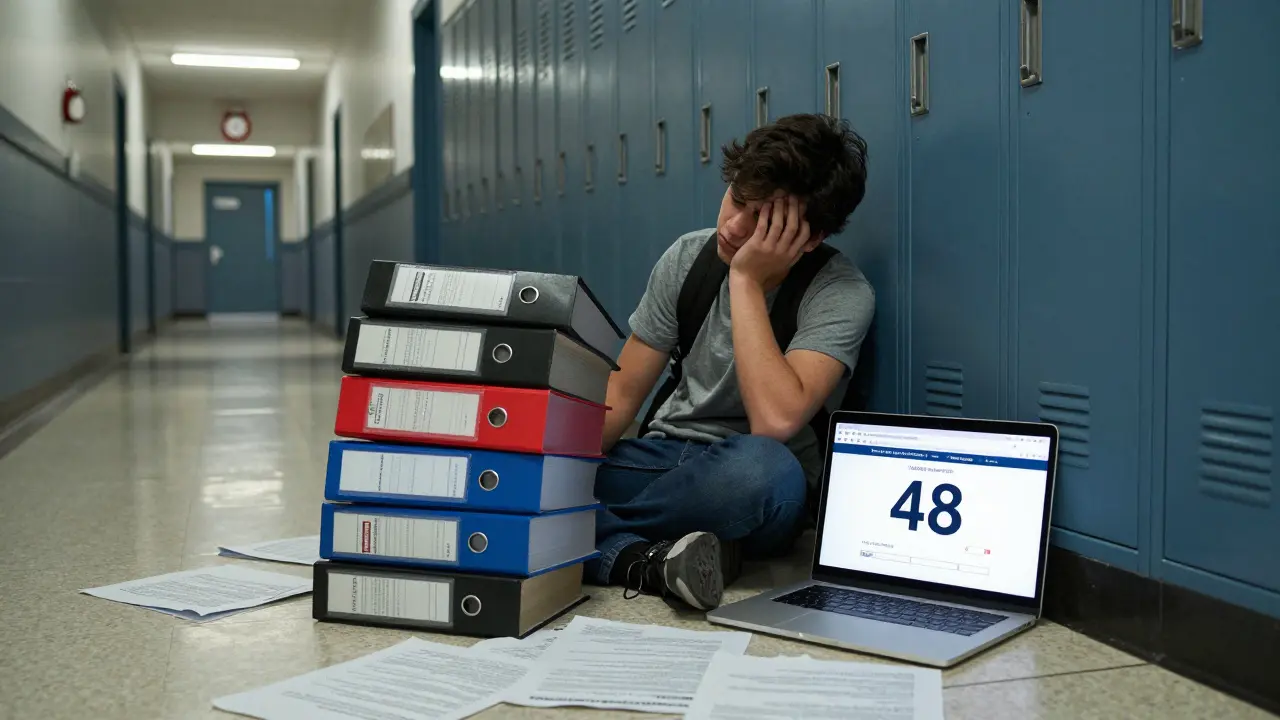
Everyone says junior year is the hardest. But is that really true? If you’re standing in the hallway at 7:45 a.m. with three binders, a half-finished essay, and a college application due in 48 hours, you might think so. But the truth? It depends on who you are, what you’re doing, and how you handle pressure.
Why junior year gets the blame
Junior year is the year most schools and counselors push as the "make-or-break" year. SATs or ACTs. AP classes. College visits. Early decision deadlines. GPA that finally matters. It’s the year your transcript becomes a document people actually read - not just file away.Most students take their heaviest course load in 11th grade. If you’re aiming for competitive colleges, you’re likely taking 3-5 AP or honors classes. Add in extracurriculars, part-time jobs, and family obligations, and you’re running on fumes by March. A 2024 survey of 12,000 U.S. high school students found that 68% of juniors reported feeling "constant stress" during the fall semester - the highest rate of any grade.
And it’s not just grades. Junior year is when colleges start looking at your transcript in detail. One grade slip in chemistry or history can feel like a death sentence. That pressure turns study sessions into anxiety spirals. You’re not just studying for a test - you’re studying for your future.
Senior year isn’t a vacation
But here’s the twist: senior year can be worse.By senior year, you’re not just managing your own workload - you’re managing the entire college application machine. Early action deadlines in November. Regular decision deadlines in January. Supplemental essays that take 20 drafts. Recommendation letters you have to chase down. Financial aid forms that look like tax returns. And don’t forget: you still have to pass your classes.
Seniors often take fewer AP classes - but they’re not easier. Many students drop one or two to focus on college apps. But that doesn’t mean less stress. In fact, 52% of seniors in the same 2024 survey said they felt more overwhelmed in December than they did in October of junior year. Why? Because now, the stakes aren’t just about grades. They’re about acceptance.
And if you’re waitlisted? Or rejected? Or your financial aid package falls apart? That’s when senior year turns into a slow-motion crisis. You’re supposed to be celebrating. Instead, you’re rewriting essays, calling admissions offices, and wondering if you made a mistake.
Freshman and sophomore years? They’re sneakier
Freshman year feels like a warm-up. You’re adjusting. You’re figuring out how to use a locker. You’re still learning how to manage homework. But here’s the thing: many students don’t realize how important freshman year is until it’s too late.Some schools weight GPAs differently. Others don’t. But colleges see your entire transcript. A C in freshman year algebra? It’s not a dealbreaker - but it’s a red flag if your grades don’t improve. And if you don’t build good habits early, you’ll pay for it later.
Sophomore year is the quiet trap. You’ve got more freedom. Teachers expect more. You think you’ve got it figured out. Then you get your first real research paper. Or your first lab report that tanks your grade. You realize you didn’t learn how to study - you just memorized.
By sophomore year, you’re starting to see the gap between "good" and "great." That’s when students who didn’t take freshman year seriously start scrambling. And that’s when burnout begins to creep in.
What actually makes a year hard
The hardest year isn’t about the calendar. It’s about the mismatch between your support system and your workload.For some students, junior year is brutal because they’re the first in their family to aim for college. No one at home knows how to help with SAT prep or financial aid forms. For others, senior year crushes them because they’re caring for siblings while applying to schools.
It’s not the number of classes. It’s whether you have:
- Someone who checks in on you
- A quiet place to study
- Access to tutoring or mental health resources
- Time to rest without guilt
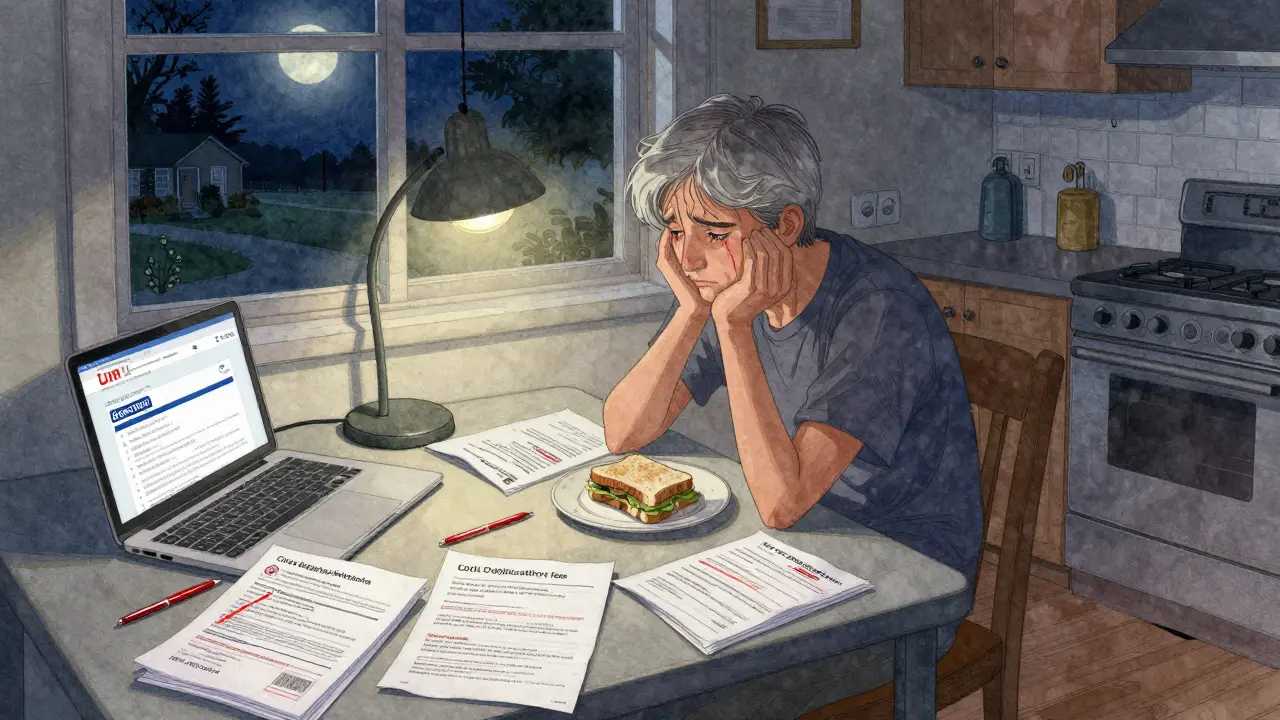
One student from Asheville told me: "I had three jobs in junior year. I didn’t have time to cry. I just kept going. My counselor didn’t even know I was working 25 hours a week. I thought everyone else had it easier. They didn’t. They just didn’t talk about it."
So which year is hardest?
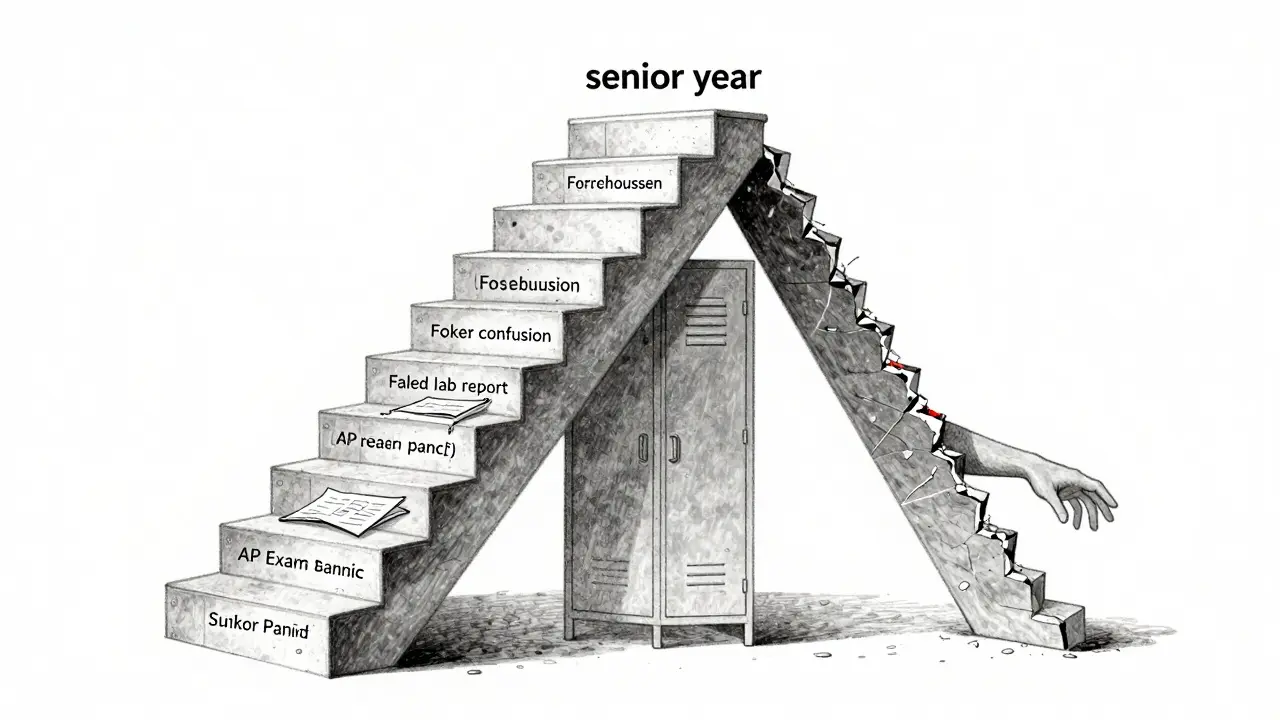
Junior year has the highest stress levels. Senior year has the highest emotional stakes. Freshman year sets the foundation. Sophomore year exposes your weaknesses.Here’s the real answer: the hardest year is the one where you feel alone.
It’s not about how many AP classes you take. It’s about whether you have someone to tell you it’s okay to fail a quiz. It’s not about how many hours you study. It’s about whether you’ve been allowed to sleep.
If you’re in junior year right now - breathe. You’re not behind. You’re not falling apart. You’re doing what millions of students do every year. And if you’re in senior year - you’re not broken because you’re unsure. You’re human.
There’s no magic year. But there is a way through: ask for help. Talk to your counselor. Tell a teacher you’re overwhelmed. Use the free tutoring center. Skip one club if you need to. Your worth isn’t tied to your GPA or your acceptance letter.
High school is hard because it’s supposed to prepare you for life - not just college. And life doesn’t care how many A’s you got. It cares whether you learned how to keep going when things fall apart.
Jeff Napier
February 23, 2026 AT 03:45Also why is everyone acting like high school is the end of the world? You think you're gonna die if you don't get into Harvard? Newsflash: most people end up happy working at Walmart or driving Uber. Stop dramatizing your life.
Sibusiso Ernest Masilela
February 23, 2026 AT 18:14And don't even get me started on the performative empathy in this article. 'Ask for help'? Please. Help is a luxury for those who still believe in merit. In reality, your future is determined by your zip code, your parents' income, and whether your counselor went to an elite university. This is performative sociology dressed as advice.
Daniel Kennedy
February 25, 2026 AT 08:07I had a student last year who worked 30 hours a week, cared for her younger siblings, and still got straight A's. She never said a word. Not until her senior year, when she broke down in my office and said, 'I thought everyone else felt like this too.'
You're not alone. And you don't have to be strong all the time. Talk to someone. Even if it's just a teacher you barely know. They’ve probably been where you are.
Taylor Hayes
February 25, 2026 AT 19:39I remember being a sophomore and thinking my life was over because I got a B+ in chemistry. Now? I work in tech. My B+ didn't matter. What mattered was that I learned how to ask for help after that. That's the real skill we should be teaching.
Stop measuring your worth in AP classes. Measure it in resilience. In curiosity. In showing up even when you're tired.
Sanjay Mittal
February 26, 2026 AT 00:17I took 5 science subjects, 2 languages, and worked part-time at a tea stall. I studied until 2 a.m. every night. I never cried. I just did it. Because crying doesn't pay the bills.
So yes, your year is hard. But mine? It was survival. And I didn't have a counselor. I had a textbook and a prayer.
Jawaharlal Thota
February 27, 2026 AT 15:58Junior year is the first time you're forced to quantify your future. Senior year is when you realize the quantification was always a lie. Freshman year? That's when you start believing the lie. Sophomore year? That's when you realize you've been lied to, but you're too tired to do anything about it.
The real tragedy isn't the workload. It's that we've convinced an entire generation that their humanity is a liability. That rest is laziness. That vulnerability is weakness. That your value is tied to a number on a screen. And until we stop treating teenagers like future employees instead of human beings, no amount of 'talk to your counselor' advice will fix what's broken.
Meredith Howard
March 1, 2026 AT 12:03Perhaps instead of reassuring students that they are doing fine we should be asking what structural supports are missing. Why must students choose between mental health and academic survival? Why is help contingent on recognizing you need it? Why is self-advocacy treated as a skill rather than a right?
Steven Hanton
March 1, 2026 AT 15:21You don’t need a counselor. You need a witness. Someone who says, ‘I see you. And you’re not broken.’
And if you’re reading this and you’re that one person-reach out. Even if it’s just a note. It matters more than you know.
Pamela Tanner
March 2, 2026 AT 12:25Until systemic change occurs, individual reassurances are merely Band-Aids on a hemorrhage.
Kristina Kalolo
March 4, 2026 AT 06:22I’m a software engineer now. I never went to a ‘prestigious’ school. I didn’t need to.
Akhil Bellam
March 4, 2026 AT 15:12And don't even get me started on the performative 'inclusivity' of this piece. 'You're not alone'? Bullshit. You're alone. And you always will be. Because the system was never built for you. It was built to filter you out. So go ahead-cry. Cry into your $12 coffee. Cry into your journal. Cry into your therapist's couch. It won't change a damn thing.
Amber Swartz
March 6, 2026 AT 12:51And now? I'm in grad school. But I still have nightmares about report cards.
If you're reading this and you're in junior year? I see you. I was you. And you're not broken. You're becoming.
Robert Byrne
March 8, 2026 AT 00:22Also-use the tutoring center. It's free. Go. Even if you're scared. I did. It changed everything.