Experiential Learning in High School: What It Is and Why It Matters
When you learn by doing—building a robot, running a mock election, or testing water quality in a local stream—you’re experiencing experiential learning, a teaching method where students gain knowledge through direct experience and reflection. Also known as hands-on learning, it’s not just about field trips or labs. It’s about making learning stick by connecting it to real life. This isn’t a trend. Schools that use it well see students who remember more, care more, and can actually apply what they’ve learned beyond the test.
Experiential learning doesn’t replace textbooks. It gives them purpose. Think about real-world projects, assignments that solve actual community problems, like designing a recycling program or creating a budget for a local nonprofit. These aren’t extras. They’re the core of how students learn critical thinking, teamwork, and responsibility. And it’s not just for honors kids. When a student who struggles with algebra builds a bridge out of popsicle sticks and sees how weight and balance work in real time, math suddenly makes sense. That’s the power of student engagement, the level of interest, motivation, and participation a student shows in their learning. You can’t fake it. You can’t cram for it. You have to live it.
High schools that get this right don’t just assign homework—they assign action. They partner with local businesses for internships, let students run school gardens, or send them to record oral histories from elders in their town. These aren’t just cool activities. They’re learning systems built on doing, failing, trying again, and reflecting. And they’re happening right now in schools that care more about what students can do than what they can write on a scantron.
What you’ll find in the posts below are real examples of how high schools are making this work. From guided study sessions that turn into project labs, to how clubs and extracurriculars naturally become experiential learning spaces, to why algebra fails when it’s taught without context—you’ll see how learning changes when students aren’t just listening, but doing. This isn’t theory. It’s what’s happening in classrooms where students actually leave prepared for life, not just the next test.
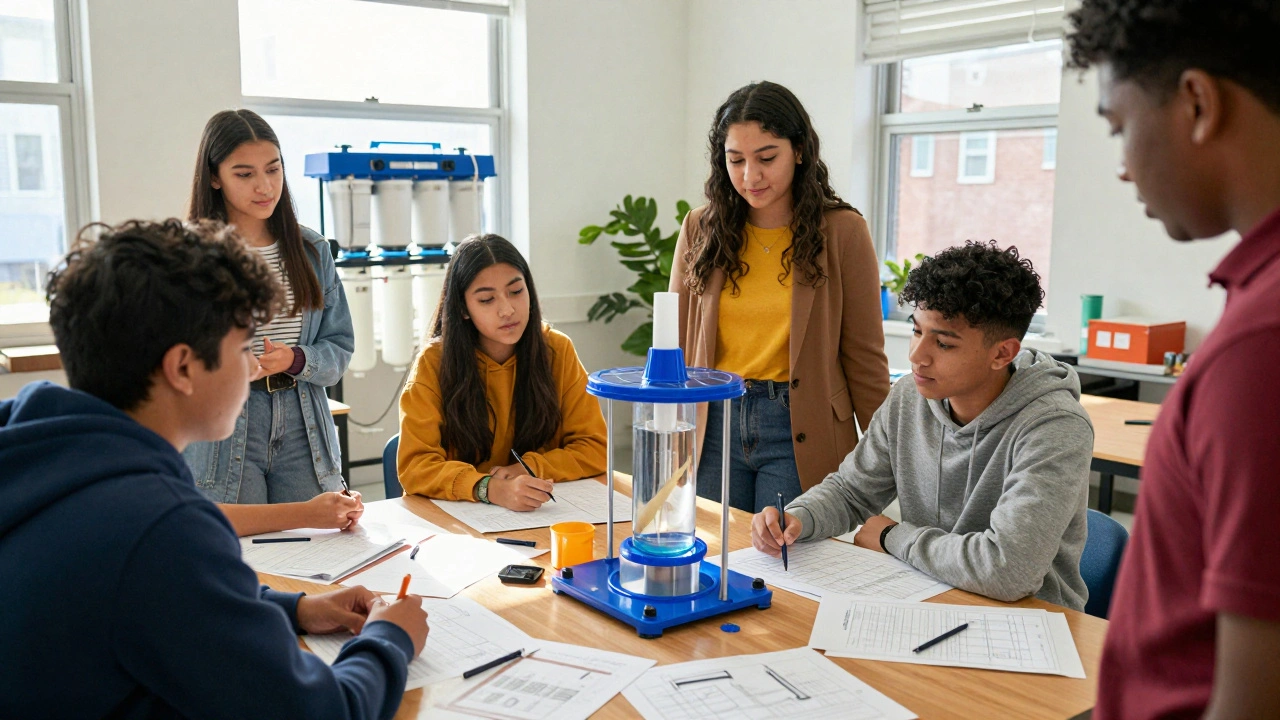
High schools across the U.S. are ditching traditional lectures for real-world projects, gamified learning, and peer teaching. These unconventional methods are boosting engagement, reducing dropouts, and preparing students for life beyond the classroom.
- Read More