Project-Based Learning in High School: How It Works and Why It Matters
When you think of project-based learning, a teaching method where students learn by working on real, hands-on projects over time. It's not just another buzzword—it’s how schools are fixing the gap between what’s taught and what students actually need to succeed. Instead of memorizing facts for a test, students tackle problems like designing a solar-powered device, creating a community garden, or pitching a business plan to local leaders. This approach turns learning from something you do in class to something you live.
Project-based learning doesn’t happen in isolation. It requires student engagement, the level of interest and active participation students show in their own learning. You can’t fake it. If a project feels fake, students tune out. But when they’re solving a problem that affects their school or neighborhood—like reducing lunch waste or improving study hall time—they show up. And that’s why schools are starting to see higher homework completion rates and fewer failed classes. Projects connect to what students already care about: being heard, being useful, and being ready for what comes next.
It also relies on real-world learning, connecting classroom skills to actual situations outside of school. Think about how many students struggle with algebra because they don’t see how it applies. In a project-based classroom, they might use algebra to budget for a school event or calculate material costs for a model bridge. That’s not theory—it’s practice. And it sticks. Teachers aren’t just grading assignments anymore; they’re coaching teams, helping students manage deadlines, and teaching them how to present their work like professionals.
This isn’t about replacing tests. It’s about adding something better: depth. Projects let students explore topics in ways that worksheets never could. They learn how to collaborate, how to fail and try again, how to explain their thinking out loud. These are the same skills colleges and employers say matter most. And while not every school has fully embraced this yet, the ones that have are seeing real results—students who care more, drop out less, and graduate with more than just a GPA.
Below, you’ll find real stories from classrooms where project-based learning made a difference. Some show how it helped students pass tough subjects like algebra. Others reveal how schools are using projects to teach global citizenship, digital skills, or even climate action. You’ll see what works, what doesn’t, and how students themselves are driving the change.
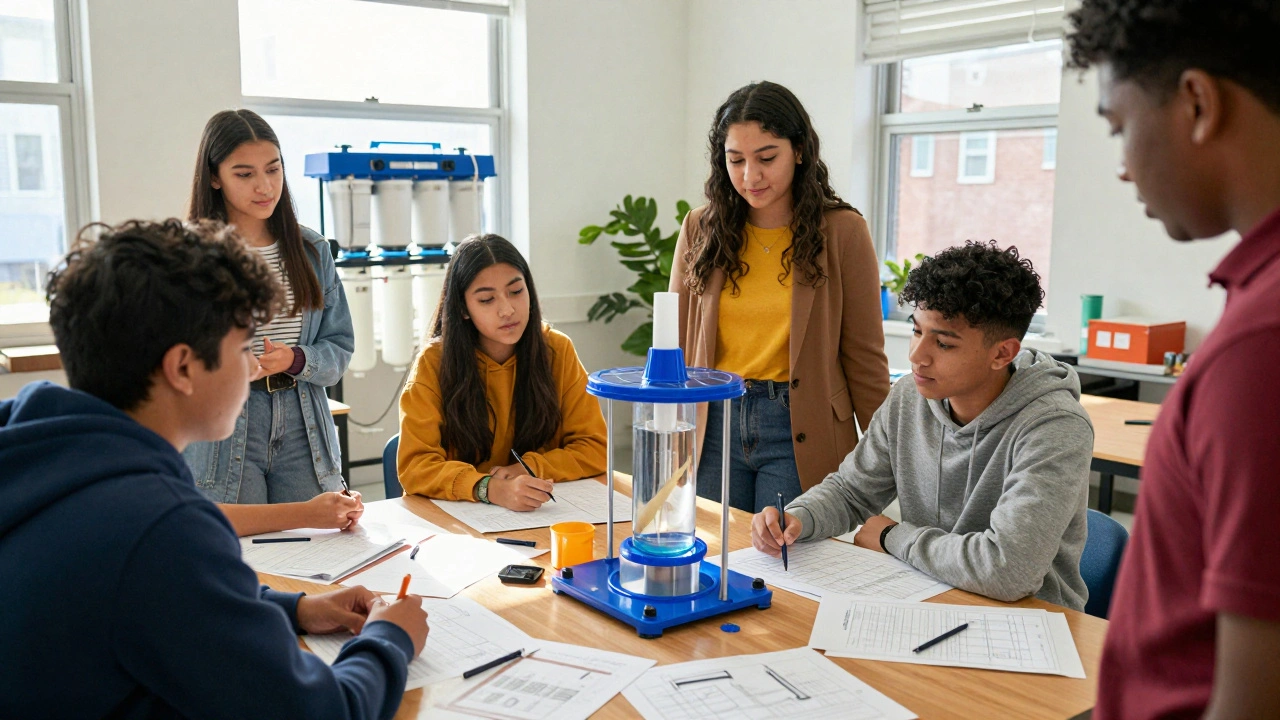
High schools across the U.S. are ditching traditional lectures for real-world projects, gamified learning, and peer teaching. These unconventional methods are boosting engagement, reducing dropouts, and preparing students for life beyond the classroom.
- Read More